
Acupuncture After a Mastectomy: Supporting Recovery and Symptom Management
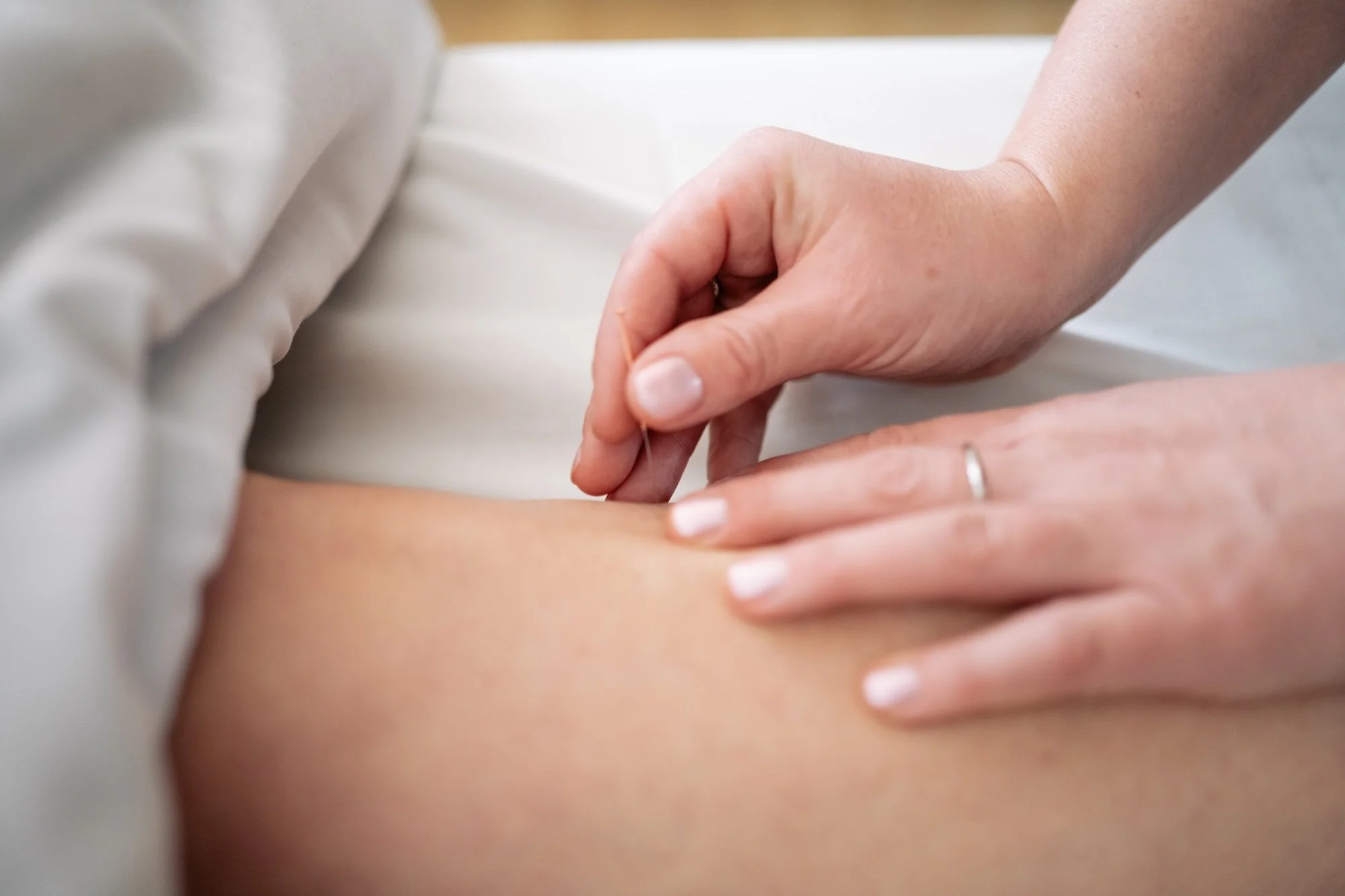
A mastectomy is a major physical experience, but recovery isn't always finished when you leave the hospital.
There can be pain, tightness, muscle tension, changes in sensation, fatigue, sleep disruption and emotional stress. For some people, these symptoms improve relatively quickly. For others, they can continue for weeks, months or longer.
Acupuncture can be one option to consider as part of supportive care after breast cancer surgery.
It does not replace your surgeon's care, physiotherapy, medications or other recommended treatments. Instead, it may provide another layer of support for certain symptoms during recovery.
Can acupuncture help after a mastectomy?
Research on acupuncture following breast cancer surgery is still developing, but there is evidence suggesting that acupuncture may help with some postoperative symptoms.
A small randomized controlled trial involving women following mastectomy found that postoperative acupuncture was associated with reductions in pain, nausea and anxiety compared with usual care.
A separate feasibility study also found that acupuncture could be integrated into postoperative care for women undergoing mastectomy and/or breast reconstruction, with improvements reported in pain, anxiety and muscular discomfort.
These studies are relatively small, so they don't mean acupuncture will produce the same result for everyone.
But they do provide a reason to consider acupuncture as one possible supportive-care option.
Pain after mastectomy
Pain is one of the most obvious symptoms after surgery, but postoperative discomfort isn't always limited to the surgical area.
You may experience:
Pain around the chest or breast area
Shoulder discomfort
Upper back tension
Neck tension
Tightness across the chest
Muscle guarding
Changes in sensation
Nerve-related discomfort
The body can respond to surgery by changing the way you move. You may protect one side, hold your shoulders differently or avoid certain movements because they feel uncomfortable.
Over time, that can contribute to tension in other areas.
Acupuncture can be used as part of an overall approach to pain management. Current oncology guidelines support acupuncture as an option for general cancer-related pain and musculoskeletal pain.
What about tightness and shoulder tension?
After breast surgery, some people notice that their chest, shoulder or upper back feels tight.
This can be particularly noticeable when reaching overhead, putting on a shirt, sleeping or returning to normal activities.
Your surgical and rehabilitation team should guide your physical recovery and exercises.
Acupuncture can potentially complement that work by addressing areas of muscular tension and discomfort.
The goal isn't to force movement or "break up" scar tissue with needles.
Instead, treatment is individualized around what you are experiencing and what is medically appropriate at that stage of recovery.
Acupuncture and post-surgical nausea
Nausea isn't only associated with chemotherapy.
Some people experience nausea around surgery, anesthesia or medications used during the postoperative period.
Small studies have found potential benefits from acupuncture-related treatments for postoperative symptoms following breast cancer surgery, including nausea.
Again, acupuncture should be viewed as an addition to—not a replacement for—the medications and medical care prescribed by your surgical team.
What about anxiety and emotional recovery?
There is another part of recovery that doesn't always get talked about enough.
Surgery can be a lot.
You may be recovering physically while also processing a cancer diagnosis, changes to your body, upcoming treatments, uncertainty about the future and everything that comes with it.
Acupuncture may be used as part of supportive care for anxiety and stress. In women who have completed breast cancer treatment, ASCO's integrative oncology guidance says acupuncture may be offered to help improve anxiety symptoms, although the strength of that recommendation is relatively limited.
Sometimes having a quiet appointment where you don't have to explain, organize or accomplish anything can be valuable in itself.
What about lymphedema?
This is an important area to approach carefully.
Some people develop breast cancer-related lymphedema after surgery and/or lymph-node treatment. Acupuncture has been studied in people with breast cancer-related lymphedema, including research looking at safety and changes in swelling and symptoms.
However, acupuncture is not a replacement for specialized lymphedema assessment or treatment.
If you have swelling, heaviness, tightness or other symptoms that could indicate lymphedema, it's important to speak with your healthcare team and, when appropriate, a clinician specializing in lymphedema.
Your acupuncture treatment should be adapted to your individual situation.
When can I have acupuncture after a mastectomy?
There isn't one universal timeline that applies to everyone.
The appropriate timing depends on factors such as:
How your incision is healing
Whether you had reconstruction
Whether drains are still present
Your blood counts
Whether you are receiving chemotherapy or radiation
Medications you're taking
Any complications from surgery
Your surgeon's recommendations
Your overall health
I don't needle through an incision or an area that is not appropriately healed.
Treatment can also be adapted so that we don't need to work directly around the surgical area.
For anyone recently recovering from surgery or actively undergoing cancer treatment, I want communication with your medical team to be part of the process.
Acupuncture after a mastectomy isn't about "fixing" your body
One of the things I really want patients to know is that recovery doesn't have to mean immediately getting back to normal.
Your body has been through a major experience.
You may need support with pain. You may need help sleeping. You may feel exhausted. You may be dealing with anxiety or simply feel like your body doesn't feel like your own yet.
Acupuncture can be one supportive piece of that recovery.
It doesn't replace the care you are already receiving. It simply gives you another option to consider.
Mobile acupuncture after breast cancer surgery
For some people, getting to another appointment after surgery can feel like a huge task.
You may be tired. Driving may be uncomfortable. You may not feel like getting dressed and leaving the house. You may simply want to recover in your own space.
That's one reason I offer mobile acupuncture in Calgary.
I can come to your home, set up a treatment space and provide your acupuncture treatment without you needing to make another trip across the city.
You don't need to prepare anything special. I just need enough room to set up my treatment table.
And if you're not sure whether acupuncture is appropriate at your stage of recovery, we can talk about that first.
Your cancer care team remains the foundation of your treatment. Acupuncture is simply another possible layer of support while your body recovers.