
Acupuncture During Chemotherapy: Support for Common Treatment Side Effects
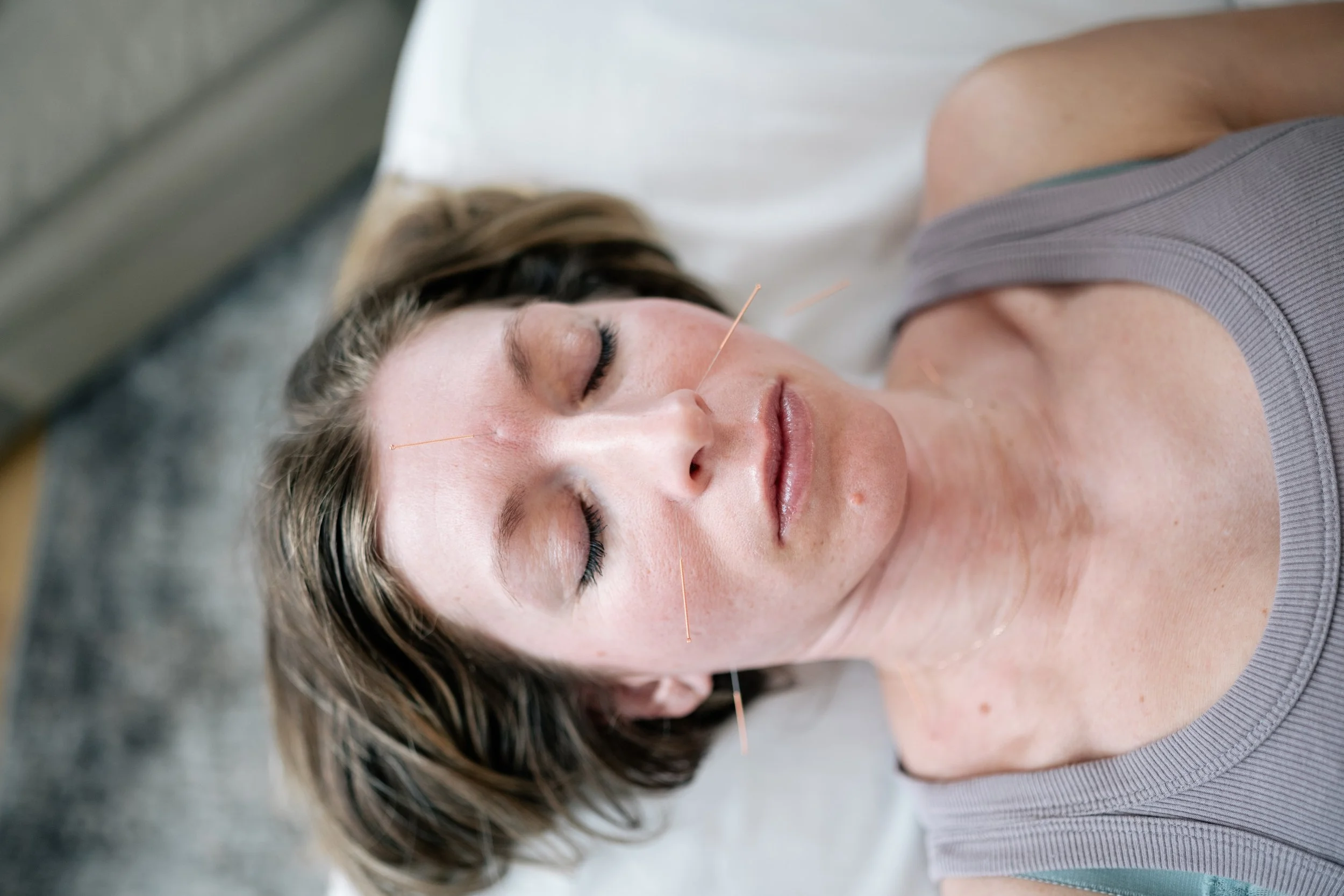
Going through chemotherapy can be physically and emotionally exhausting. Even when treatment is going exactly as planned, the side effects can make everyday life feel much harder.
Nausea. Pain. Fatigue. Poor sleep. Digestive changes. Stress. Changes in appetite. Neuropathy. And sometimes just the feeling of being completely overwhelmed by everything your body is going through.
This is where supportive care can become an important part of the picture.
Acupuncture does not treat cancer or replace chemotherapy. Instead, it can be used alongside conventional oncology care to help support some of the symptoms that can come with cancer and its treatment.
At Bridgeland Acupuncture and Wellness in Calgary, I work with patients who are looking for another layer of support while they are going through treatment.
Can acupuncture be used during chemotherapy?
Yes. Acupuncture can be incorporated into supportive cancer care during chemotherapy, provided it is appropriate for the individual patient and coordinated with their medical care.
The goal isn't to interfere with chemotherapy or change the course of cancer treatment. Instead, acupuncture is focused on the person receiving the treatment and the symptoms they may be experiencing along the way.
Research and clinical guidelines have looked at acupuncture and related approaches for several symptoms experienced by people with cancer, including pain, nausea, fatigue, anxiety, sleep difficulties and chemotherapy-induced peripheral neuropathy.
For example, ASCO's endorsement of the Society for Integrative Oncology guideline recognizes acupuncture as an option for several symptoms associated with breast cancer treatment, while more recent oncology guidelines support acupuncture for cancer-related pain and aromatase-inhibitor-related joint pain.
The evidence isn't equally strong for every symptom, and acupuncture isn't a replacement for medications or other treatments recommended by an oncology team.
I see it as an additional tool.
Acupuncture for nausea during chemotherapy
Nausea is one of the symptoms many people worry about when starting chemotherapy.
Your oncology team will usually provide medications to prevent or manage chemotherapy-induced nausea and vomiting. Those medications are an important part of treatment.
Acupuncture or acupressure may be considered as an additional supportive approach rather than a replacement for anti-nausea medication. Oncology guidelines have specifically examined acupuncture-related approaches for chemotherapy-induced nausea and vomiting.
For someone who is already dealing with nausea, digestive discomfort or changes in appetite, adding acupuncture may provide another avenue of symptom support.
Acupuncture for pain and muscle tension
Pain can have many different causes during cancer treatment.
It may be related to the cancer itself, surgery, treatment, muscle tension, inflammation or changes in movement and activity.
Acupuncture is used as part of integrative pain management, and ASCO's guideline on integrative medicine for cancer pain supports acupuncture for general cancer pain and musculoskeletal pain.
That doesn't mean acupuncture is appropriate for every type of cancer-related pain. Pain should always be assessed medically, particularly if it is new, severe or changing.
But when acupuncture is appropriate, it can be one part of a broader pain-management plan.
What about chemotherapy-related neuropathy?
Some chemotherapy medications can cause peripheral neuropathy.
This may feel like:
Tingling or numbness in the hands or feet
Burning or sensitivity
Pins and needles
Changes in sensation
Pain
Weakness or difficulty with balance
Chemotherapy-induced peripheral neuropathy can sometimes continue after chemotherapy has finished and can have a significant effect on quality of life.
Current ASCO guidance says acupuncture may be offered for chemotherapy-induced peripheral neuropathy, although the evidence is still considered limited.
This is an area where I think it's particularly important to be honest about what acupuncture can and cannot do.
It isn't a guarantee that neuropathy will go away. But for some patients, it may be a reasonable supportive option to discuss with their healthcare team.
Supporting sleep, stress and the nervous system
Cancer treatment isn't just physically demanding.
There is also the emotional side of having appointments, scans, bloodwork, treatment days, uncertainty and a body that may suddenly feel very unfamiliar.
Sleep can become difficult. Stress can build. And sometimes patients simply don't feel like their nervous system ever gets a chance to settle.
Acupuncture may be used as part of supportive care for symptoms such as anxiety, stress and sleep difficulties. Research in breast cancer populations has also found potential benefits for anxiety following treatment.
Sometimes the goal of a treatment isn't another thing to "fix."
Sometimes it's simply creating an hour where you can stop, breathe and let someone else take care of you.
Acupuncture is complementary to your oncology care
This part is really important to me.
If you're receiving chemotherapy, acupuncture should be viewed as complementary care.
Your oncologist and medical team remain at the centre of your cancer treatment. Acupuncture doesn't replace chemotherapy, radiation, surgery, medications or other medical care.
Instead, it can potentially provide additional support for some of the symptoms that happen alongside treatment.
I also encourage patients to let their healthcare providers know that they are receiving acupuncture. Good communication between your healthcare providers is important, particularly during active cancer treatment.
Is acupuncture safe during chemotherapy?
Safety needs to be considered on an individual basis.
Cancer treatment can affect blood counts and immune function, and factors such as low platelet counts or neutropenia can change whether acupuncture is appropriate at a particular time. Memorial Sloan Kettering specifically lists neutropenia and thrombocytopenia as situations requiring caution because of infection and bleeding risk.
This is why I don't take a one-size-fits-all approach to acupuncture during cancer treatment.
Before treatment, I want to understand where you are in your cancer care, what treatments you're receiving, what medications you're taking and how you're feeling.
Sometimes that means modifying treatment. Sometimes it means changing timing. And sometimes it means waiting until it is medically appropriate.
Your safety comes first.
You don't have to wait until treatment is over
Supportive care isn't only something that happens after cancer treatment is finished.
People may need support during treatment too.
If you're going through chemotherapy and wondering whether acupuncture could be appropriate for you, I'd be happy to talk through what you're experiencing and determine whether acupuncture is a reasonable option alongside your existing care.
I offer acupuncture in my Calgary clinic as well as mobile acupuncture, where I come directly to your home.
Because sometimes the last thing you need during cancer treatment is another trip across the city.
Acupuncture is not a treatment for cancer. It is one possible layer of supportive care for the person going through it.